
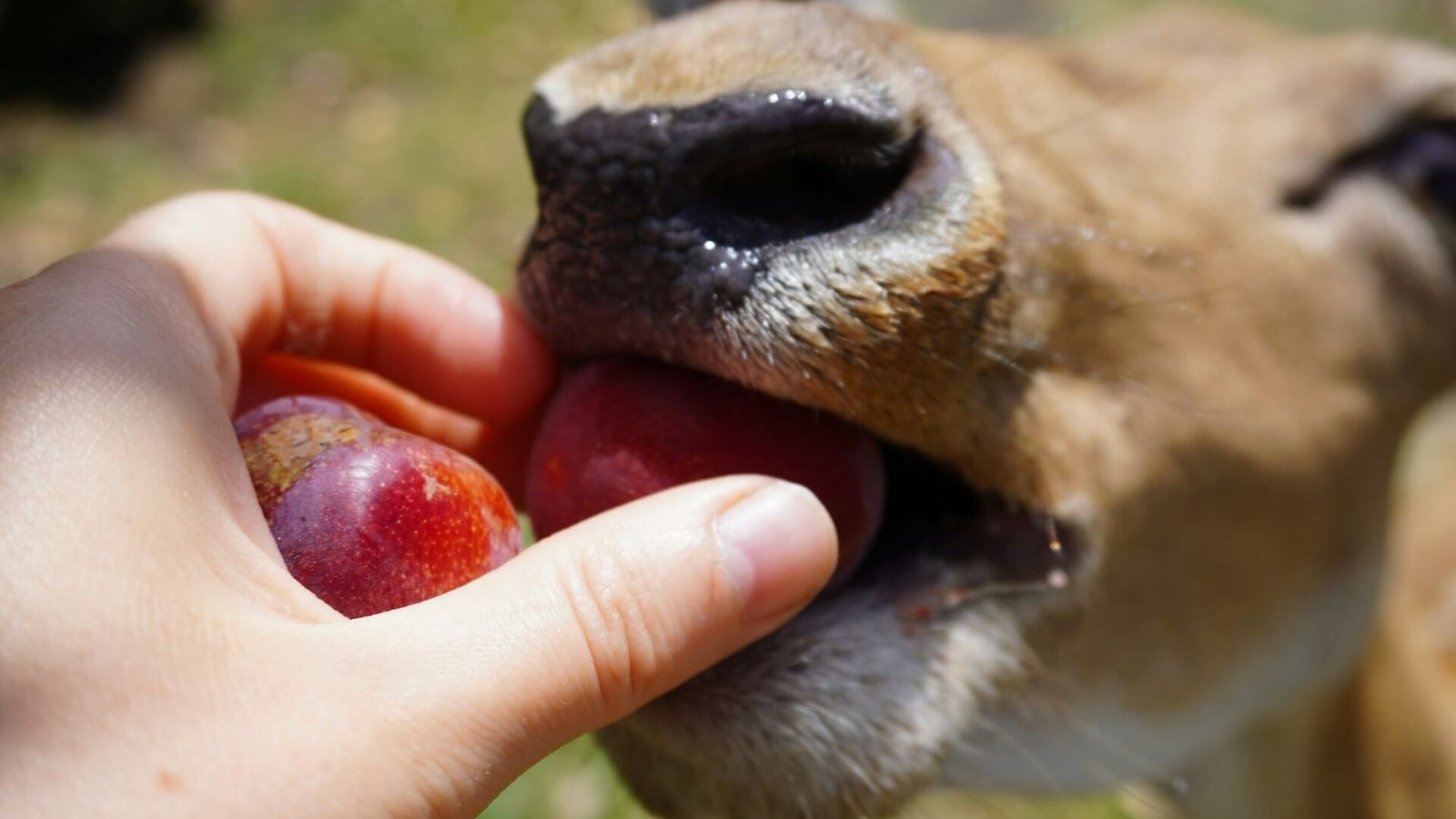
You’re munching on a crisp apple when your dog gives you those pleading eyes. Before you share a slice, you’re smart to wonder whether it’s safe.
Can Dogs Eat an Apple
Yes, dogs can safely eat apples. The fruit flesh provides healthy nutrients and makes a crunchy, low-calorie treat when you remove the core and seeds first.
Apples aren’t just safe, they’re one of the better snack options you can offer your dog. Unlike many human foods that sit in the “maybe” category, apples deliver real nutritional value without the risks that come with processed treats. That said, there’s a right way and a wrong way to share them.
Is Apple Safe for Dogs?
Apple flesh is completely safe for most dogs when prepared correctly. You’ll need to wash the fruit thoroughly, cut away the core, and remove every seed before offering any pieces to your pup.
The skin is fine to leave on. Some owners peel it off thinking they’re being cautious, but the skin actually contains most of the apple’s fiber and nutrients. Unless your dog has a sensitive stomach, leave it intact.
What makes apples safer than other snacks is their simple ingredient list; it’s just fruit. You’re not dealing with mystery preservatives, artificial flavors, or questionable additives. That’s why so many vets recommend them over store-bought treats.
Just watch the quantity. Even healthy foods can cause problems when dogs eat too much at once.
Health Benefits of Apple for Dogs
Numerous nutrients found in apples promote the health of your dog. They are a good source of vitamin C, which boosts immunity. Vitamin A promotes healthy bones and eyesight. Dogs may benefit from regular bowel movements and improved digestion due to the fiber content.
The texture’s crunch serves two purposes. The hardness of the apple removes plaque from your dog’s teeth as they eat. It’s a useful extra in between dental cleanings, but it won’t take the role of brushing.
Antioxidants found in apples shield cells from harm. As your dog ages, these substances may lessen inflammation and promote general health.
Dogs benefit from the high water content (approximately 85%), especially on hot days. Slices of frozen apple are especially good as a refreshing summertime treat.
However, maintain perspective. Your dog is already receiving the vitamins and minerals they require if you offer them complete, balanced commercial food. Consider apples to be a pleasant addition rather than a dietary must.
Risks and Side Effects of Feeding Apple to Dogs
Amygdalin, which is found in apple seeds, releases cyanide during digestion. It would take a lot of chewing and swallowing seeds for your dog to become very ill, but there’s no reason to take that risk. Always get rid of them.
The core poses a choking hazard, which is a distinct issue. If taken whole, the stiff, fibrous texture might induce an intestinal blockage or lodge in your dog’s throat. This puts small pets at greater risk.
An excessive amount of apples upsets the digestive system. When consumed in excess, the natural sugars and fiber that make apples healthy become troublesome. If your dog overindulges, you may notice loose feces, diarrhea, or vomiting.
Dogs with diabetes must exercise caution. Natural sugars included in apples have an impact on blood glucose levels. Before including apples in the diet of a dog with diabetes, consult your veterinarian.
After consuming the peel, some dogs have flatulence or upset stomachs. Try peeling the apples the next time if your dog appears gassy or uncomfortable after eating them with the skin on.
Apples that have fallen in your yard might also be dangerous. Toxins found in moldy fruit can cause severe illness in dogs. Before allowing your dog to go outside, gather up any windfall apples.
How Much Apple Can a Dog Eat Safely?
No more than 10% of your dog’s daily calories should come from treats. Depending on size, that translates differently for apples.
Two or three thin slices each day are OK for little dogs weighing less than twenty pounds. One or two tiny pieces may be sufficient for a toy breed.
Half an apple, chopped into bite-sized pieces, is manageable for medium dogs weighing 20 to 50 pounds. Instead of providing this sum all at once, spread it out over the course of the day.
Up to one medium apple can be consumed daily by large dogs weighing more than fifty pounds. Once more, spread it out throughout the course of the day into smaller pieces.
If your dog has never eaten apples, start with less. Give them a single slice and observe how their stomach reacts to it over the course of a day. You can progressively raise to the aforementioned amounts if everything appears normal.
A medium apple has 19 grams of sugar and around 95 calories. For a 70-pound dog, that is insignificant, but for a 10-pound Chihuahua, it is substantial. Portions should be adjusted for your dog’s size and activity level.
How to Feed Apple to Dogs (Best Practices)
Wash the apple under running water, scrubbing the skin to remove pesticides and dirt. Organic apples are ideal, but not required; thorough washing handles conventional fruit just fine.
Cut the apple into quarters and remove the entire core. Use a knife to cut away all the seeds and the tough center section. Err on the side of removing too much rather than too little.
Slice the quarters into bite-sized pieces appropriate for your dog’s size. Small dogs need thin slices about half an inch wide. Larger dogs can handle bigger chunks.
If your dog has stomach sensitivity, you can peel the skin or leave it on for additional nutrition. Here, there’s no right or wrong decision; simply consider what suits your dog.
To keep things interesting, experiment with different serving techniques. Most dogs can eat raw slices. A cool snack in warm weather is frozen chunks. For dogs who prefer it that way, grated apples can be added to meals.
Another choice is plain, unsweetened applesauce. Examine labels carefully; stay away from any product that contains artificial sweeteners, added sugar, or xylitol, which is hazardous to dogs.
The first few times your dog eats an apple, keep an eye on them. Keep an eye out for choking, particularly in smaller dogs, and make sure they are properly chewing the food rather than swallowing it whole.
Can Puppies Eat Apple?
Puppies can eat apples once they’ve started eating solid food regularly, typically around 8-10 weeks old. The same safety rules apply—remove cores and seeds, cut pieces small, and supervise closely.
Cut the apple into even smaller pieces for puppies than you would for adult dogs. Their mouths are smaller, and they’re still learning to chew properly. A piece that seems tiny to you might be too large for a puppy.
Also read: Can a dog eat a banana?
To test tolerance, start with one or two little pieces. Compared to adult dogs, puppies have more delicate digestive systems; thus, new meals affect them more severely. For the next few days, keep an eye on their stool.
Pieces of frozen apple ease the agony of teething. While the texture provides puppies with something safe to chew, the cold relieves sore gums. Just make sure the chunks are manageable in size yet too big to swallow completely.
With puppies, don’t go overboard. Puppy food must provide steady, balanced nutrients for their growing systems. Just like with adult dogs, treats should be kept to a maximum of 5% of daily calories.
When Dogs Should Not Eat Apple
Skip apples if your dog has diabetes without veterinary approval. The natural sugars can spike blood glucose levels unpredictably. Your vet might okay small amounts, but get the green light first.
Dogs with chronic digestive issues may not tolerate apples well. The fiber that helps healthy dogs can worsen symptoms in dogs with inflammatory bowel disease or other gut problems.
If your dog is overweight, apples aren’t off-limits, but need careful portioning. The sugar content adds calories that can work against weight loss efforts. Talk to your vet about appropriate amounts.
Dogs recovering from surgery or illness should stick to their prescribed diet. Their systems are already stressed, and new foods can complicate recovery. Wait until they’re fully healed.
Some dogs are simply allergic to apples. It’s uncommon, but it happens. If your dog has a history of food allergies, introduce apples cautiously and watch for reactions.
Never give apple products meant for humans, apple pie, apple butter, apple chips, or apple-flavored treats. These contain sugar, spices, and other ingredients that dogs shouldn’t have. Nutmeg, often used in apple desserts, is toxic to dogs and causes tremors and seizures.
Signs Your Dog May Be Sensitive or Allergic to Apple
Digestive symptoms show up first with food sensitivities. Watch for loose stools, diarrhea, vomiting, or excessive gas within a few hours of eating an apple. One episode might just mean they ate too much, but repeated issues suggest intolerance.
Skin reactions indicate allergic responses. Look for itching, scratching, redness, hives, or hot spots. These symptoms might not appear immediately—sometimes they develop over several days of repeated exposure.
Ear infections that crop up repeatedly can signal food allergies. If your dog’s ears seem irritated or infected more often when you’re regularly feeding apples, that’s worth investigating.
Facial swelling, especially around the muzzle or eyes, is a serious allergic reaction. This requires immediate veterinary attention. Stop giving apples and get your dog to the vet right away.
Breathing difficulty, coughing, or wheezing after eating an apple is an emergency. These symptoms suggest a severe allergic reaction that can become life-threatening. Call your vet immediately.
Behavioral changes like lethargy, restlessness, or discomfort after eating an apple might indicate stomach pain. Dogs can’t tell you they feel sick, but they’ll show it through their actions.
If you notice any of these signs, stop feeding apples and contact your vet. They can help determine whether it’s a sensitivity, an allergy, or just a portion size issue. Don’t guess—get professional guidance.
Conclusion
Apples make a healthy, affordable treat for most dogs when you prepare them correctly. Remove the seeds and core, cut appropriate portions for your dog’s size, and introduce them gradually. Pay attention to how your individual dog responds, and adjust accordingly. When in doubt, check with your vet; they know your dog’s specific health needs better than any general guide can.